Sapropel
Organic matter 50–90%, humic acids up to 60% of the organic matter, nitrogen 3–6%, trace elements, vitamins and amino acids.
Astarta produces organomineral bio-fertilizers and bio-soils based on sapropel and peat, with glauconite and dolomite added. Humic and fulvic acids, peat vermicompost, beneficial microorganisms and fungi — with no synthetic additives.
Astarta is a young producer of organomineral bio-fertilizers. We work with natural raw materials and add what science contributes: humic and fulvic acids, peat vermicompost, nitrogen-fixing and phosphate-mobilizing bacteria, mycorrhizal fungi.
Sapropel is the bottom sediment of relict lakes: its value lies not so much in NPK as in biologically active substances — humic acids, amino acids, vitamins, enzymes. Peat is responsible for structure and moisture retention, glauconite releases potassium and silicon gradually, and dolomite gently deacidifies the soil.
Organic matter 50–90%, humic acids up to 60% of the organic matter, nitrogen 3–6%, trace elements, vitamins and amino acids.
Peat is the base of our substrates and bio-soils. We obtain vermicompost by vermicomposting and use it in bio-soils and top dressings.
Glauconite: silicon 30–50%, potassium 6–9%, phosphorus 2–3%. Dolomite: calcium 30–40% and magnesium 20–30% for deacidifying soils.
Our own division for the production of mycorrhizal fungi, Trichoderma and bacteria for bio-soils and biological products.
Most humic acids in the world are made from brown coal — leonardite. In sapropel and peat the same acids are present in a more active form.
The molecular mass of humic acids in peat is about 5 times lower, and in sapropel about 2.5 times lower, than in leonardite.
Vitamins B, C, E and D, amino acids, enzymes and carotenoids — the value of sapropel lies in its biological activity, not only in NPK.
Glauconite releases potassium, silicon and trace elements over the course of the season rather than in a single application, and keeps working for several years.
Sapropel, peat vermicompost, glauconite and dolomite in one composition, with mycorrhiza and beneficial microorganisms, and with greater moisture-holding capacity.
Dolomite reduces acidity and enriches the soil with calcium and magnesium, so the bio-soil also suits the acidic soils of the North-West.
Raw material extraction, humic acid extraction, vermicompost, microbiology and packing — all in one cluster.
Six lines that cover plant nutrition, soil restoration and work in protected ground.
Water-based concentrate, 10% humic acids
For foliar feeding, drip irrigation and hydroponics. It relieves stress from drought, frost and pesticide load.
Water-soluble fulvic acid concentrate
With a lower molecular mass, fulvic acids penetrate into the plant and the soil faster than humic acids — for rapid support during critical growth stages.
Water-soluble, spray dried
For fertilizer blends, granulated fertilizers and farms that find a dry form more convenient. We match the dosage to your nutrition programme.
Sapropel, vermicompost, glauconite and dolomite
A ready bio-soil for greenhouses, seedlings and open ground: enriched with macro- and micronutrients, and containing mycorrhiza and beneficial microorganisms.
The product of vermicomposting peat
Concentrated organic matter for seedlings, greenhouses, berry crops and gardens. Used both as a stand-alone fertilizer and as a base for substrates.
Natural glauconite from the Pskov region
A slow-release potassium-silicon fertilizer. It is mined, dried, crushed and screened into fractions — with no chemical treatment.
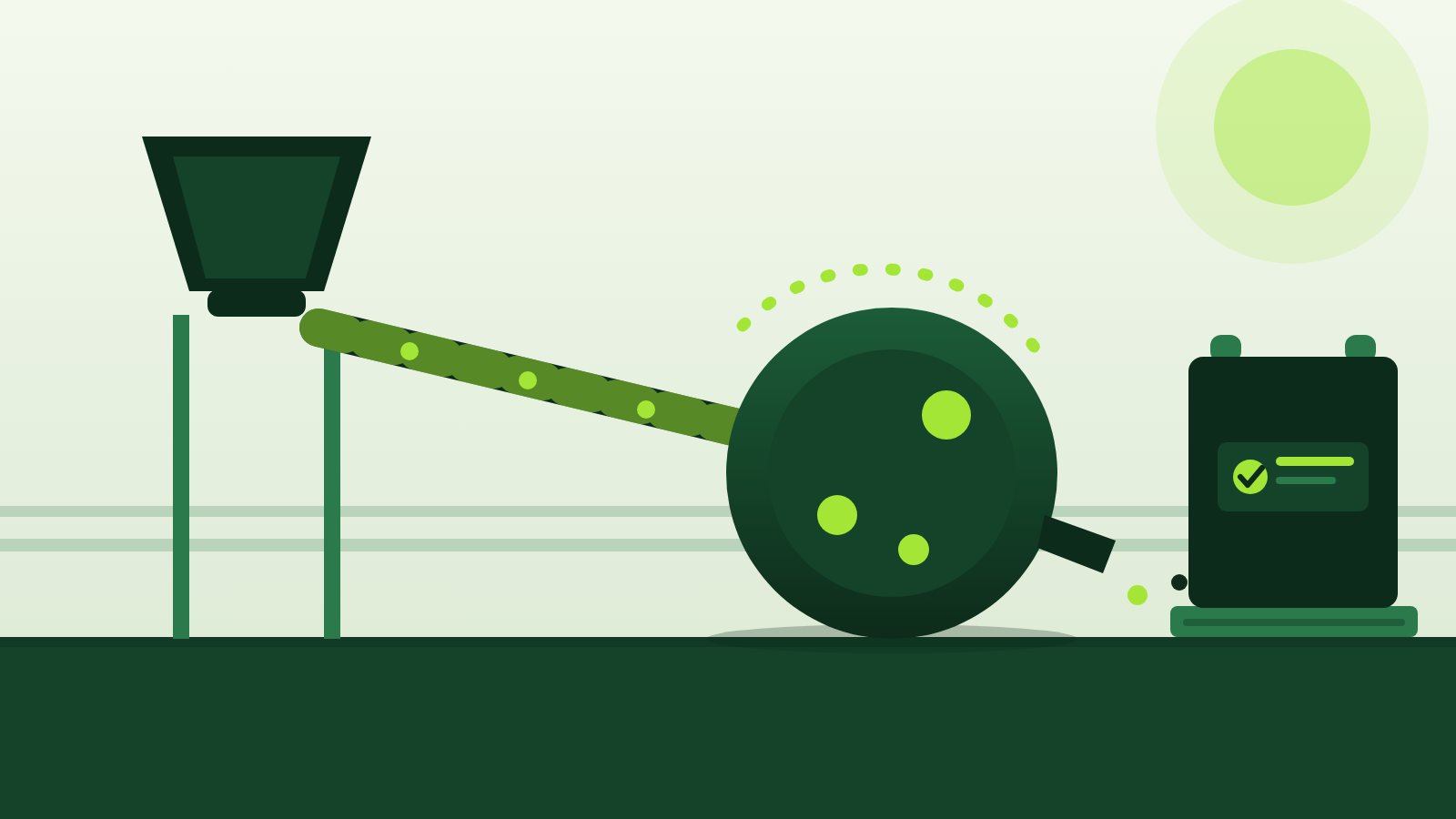

We lift sapropel from the bottom of relict lakes, and mine peat, glauconite and dolomite in the Pskov region.
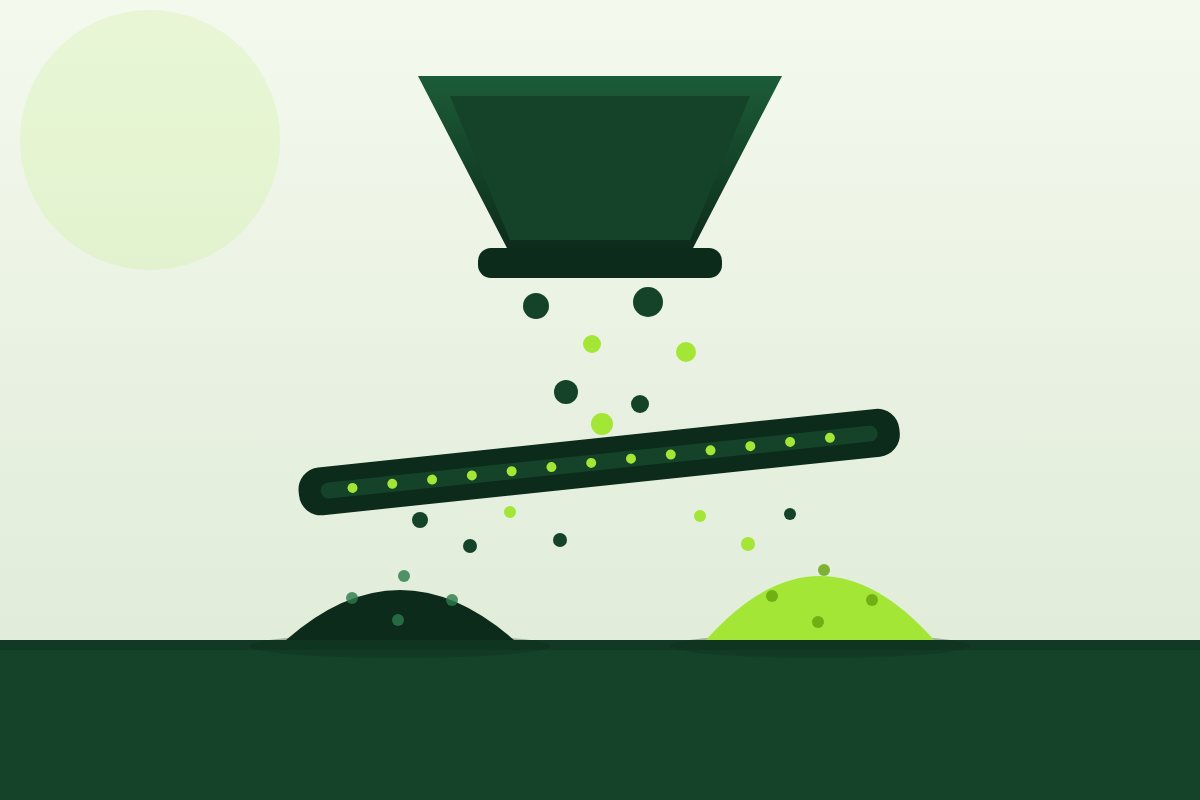
We dry the raw material and screen it into fractions: glauconite sand needs no chemical treatment — crushing and screening are enough.
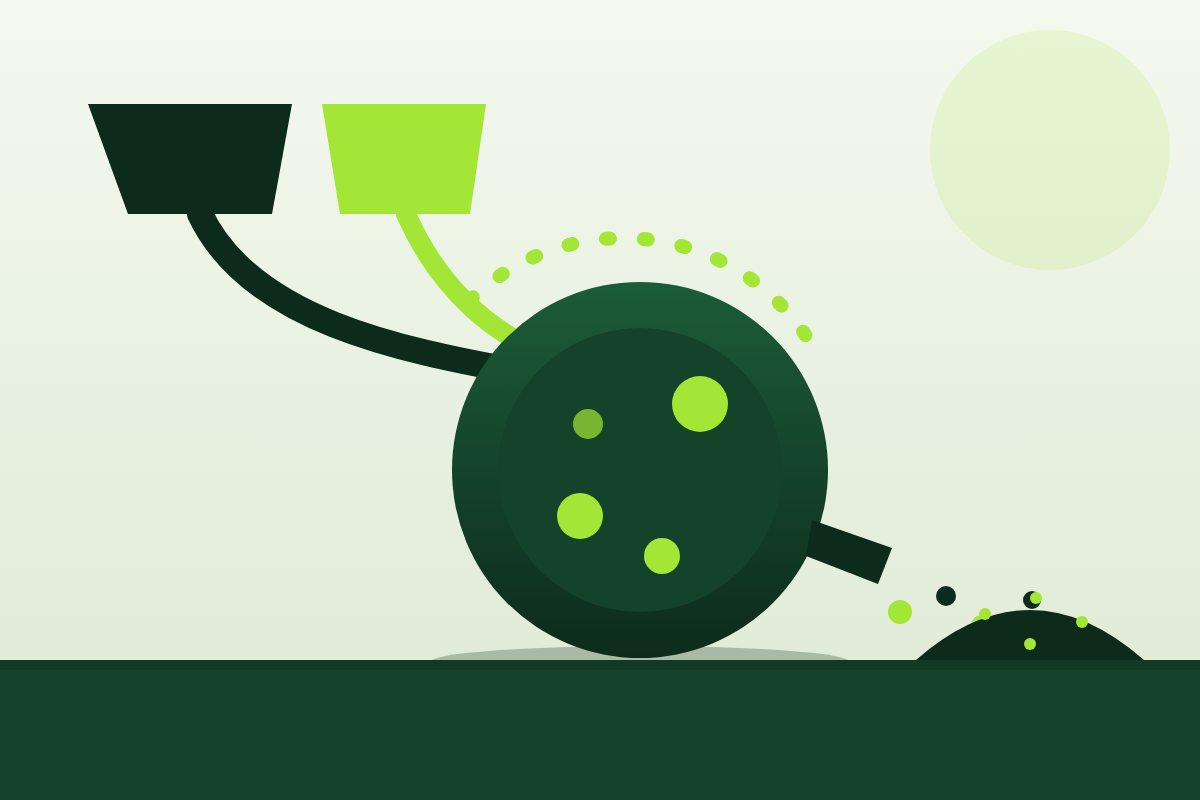
From sapropel and peat we obtain humic and fulvic acids — as a water-based concentrate, and also as powder and granules.

In a dedicated division we grow mycorrhizal fungi and bacteria for our bio-soils. Every batch is checked in the laboratory.
The project's raw material base is the deposits of the Pskov region: sapropel and peat, glauconite and dolomite. Both mining and production are located there.
These are the baseline programmes we start from. Final rates are calculated for your specific field.
Rates are indicative and are refined against your soil test and your machinery — request a calculation.
We test the raw material and the finished batch: humic and fulvic acid content, ash content, moisture, acidity. The results go into the quality certificate for that batch.
Sapropel, peat, glauconite and dolomite are natural materials with no synthetic additives. The project's raw material base is formed by deposits in the Pskov region.
We clarify your crops, acreage, soil type and objective.
Humate, fulvate, bio-soil or glauconite — we calculate the rate for your field and your machinery.
We start with a small volume so you can assess the product on your own field.
We pack and ship: collection from our site or delivery by a freight carrier.
We stay in touch all season and review the results together.
The base is sapropel (the bottom sediment of relict lakes) and peat. To these we add natural minerals: glauconite — a source of potassium, silicon and phosphorus — and dolomite, for deacidifying the soil and enriching it with calcium and magnesium. There are no synthetic additives: nutrition and structure come from natural raw materials and biotechnology.
No. Peat is a bog formation, whereas sapropel is lake-bottom sediment formed from the remains of aquatic vegetation, plankton and peat. Sapropel has higher biological activity: humic acids, amino acids, vitamins B, C, E and D, enzymes. That is why it works as a fertilizer, as a biostimulant and as a soil improver.
Most of the world's humic acids are produced from brown coal — leonardite. In peat and sapropel the humic acid molecules are considerably lighter (about 5 times lighter in peat and 2.5 times lighter in sapropel), so they penetrate into the plant and the soil faster. Processing peat and sapropel also requires less chemistry than processing coal.
A ready mix based on sapropel, peat vermicompost and glauconite with the addition of dolomite, enriched with macro- and micronutrients. We introduce mycorrhizal fungi and beneficial microorganisms into it. It acts over a prolonged period and holds moisture better.
Glauconite is a natural mineral with potassium (6–9%), silicon (30–50%) and phosphorus (2–3%). Potassium and trace elements are released gradually, so the nutrition is not washed out by a single rain, and the mineral keeps working in the soil for several seasons. No chemical treatment is needed: the raw material is crushed and screened into fractions.
We ship from one canister or one bag upwards. Collection from our site and delivery by freight carriers across Russia are both possible. Call +7 (985) 718-36-25 — we will discuss volume, packaging and timing.
Leave a request or give us a call — we will tell you about the composition, the fractions and the prices, match a product to your crop and calculate the application rate.